

Mankind is often self-involved and indulgent. It becomes apparent when we talk about the perils of climate change, too; we are primarily concerned about how these changes will impact our economies, our cities, and our way of living.
However there are thousands of other species of plants, insects, and animals who are at far greater risk of impact, and potential extinction, due to climate change. These living things have no voice, no vote, and no choice in whether they live or die off en-mass. Complete species annihilation is becoming a reality for thousands of earth’s inhabitants, from tiny Monarch Butterflies to 700 pound Moose.
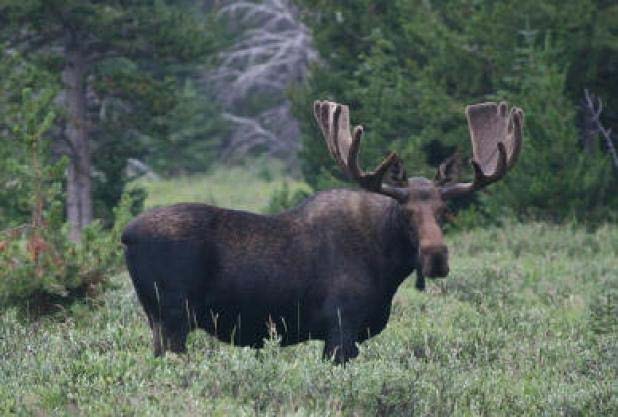
The New York Times’ article “Moose Die-Off Alarms Scientist” highlights the perils of climate change to the habitat of this large, shy mammal, who wanders alone in the dense woodlands of North America. In the last two decades, at least two geographically separate populations of Moose have died off to nearly a quarter of their original population.
This alarming rate of decline in Moose populations has scientist worried, and according to biologists, the causes of this decline differ from region to region. However, one common thread identified by scientists is the warmer and shorter winter seasons throughout the northern regions of North America.
Moose are built for cold climates with their large, furry bodies. In the summer and fall, they accumulate considerable body fat for the long and harsh winter season, but when average winter temperatures increase, they end up spending unusual amounts of effort to stay cool, leading to exhaustion and ultimately, death.
In New Hampshire, the shorter winters have also caused an upsurge in parasitic winter ticks in the Moose population. Without a long winter kill-off, these ticks are allowed to flourish, feeding on Moose. A biologist with the state’s Fish and Game Department said that “you can count 100,000 ticks on a moose.” The constant blood-letting leaves the Moose anemic and weak, making them vulnerable to predators. In addition, the ticks force Moose into constant scratching, which pulls off patches of fur and can result in hypothermia from rain, snow, and wind.
But it’s not just New Hampshire ticks which are thriving as a result of climate change. In Minnesota, the cause of Moose decline is related to an increase in brain worms and liver flukes, which prosper in moist environments resultant from increased precipitation. In British Columbia, it is the epidemic of pine bark beetles which thrive in warm weather, killing pine forests which serve as Moose habitat.
United Nations Environmental Program’s Convention on Biological Diversity (UNEP-CBD) states in their report:
“Climate change is likely to affect ecological interactions, including competition, disease and host-parasite interactions, pollination, predator-prey interactions and herbivory. There is ample evidence that warming will alter the patterns of plant, animal and human diseases.”
Climate change has already caused a shift in flora events such as leaf unfolding, flowering dates, migrations, and time of production. These changes in plant life impact insects and other animals that depend on the plants and trees for food and shelter. Some species may not be able to disperse or adapt fast enough to keep up with high rates of climate change. Whole ecosystems, like coral reefs and cloud forests, may cease to function in their current form.
The threat of climate change is manifold, super typhoons and massive hurricanes grab our attention and headlines. As a result, the monies and resources are directed towards building levies and securing city infrastructure. However the smaller, nearly imperceptible threats on our delicate ecosystems are not addressed accordingly, even though our existence is intrinsically linked to the existence of these ‘minor’ species.

Leave a Reply