
Category: Disaster Management
-
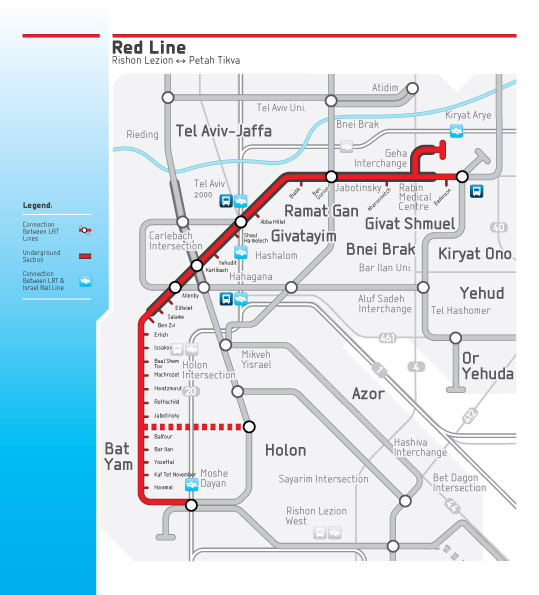
Disaster-proofing transit systems: Tel Aviv’s Red Line
Public transportation systems can be a great source of pride for cities. Places like New York City, London, and Moscow wouldn’t and couldn’t be themselves without their subway systems; their iconic undergrounds help define the identities of these cities. The relatively high ridership of these subway systems (by residents and visitors alike) has undoubtedly contributed…
-
Communities’ Role in Disaster Management
One of the things that has not gotten enough attention in post-Sandy New York City (in my opinion) is community level disaster management strategies. Most people rely on the government’s response, but there is a lot that communities can do to help themselves and help responders. When dealing with disasters, the police, firemen, and…
-
Historical Hurricane Data
I have been looking around the internet at how hurricane data over time is shared and visualized and wanted to share some of what I came across… The National Oceanic and Atmospheric Administration (NOAA) is typically the go to place for Americans and many others for any hurricane data. They happen to have an…
-
A 2011 report for the city predicted the damage a storm-surge would cause.
Just six weeks before Hurricane Sandy struck, The New York Times highlighted New York City’s vulnerabilities in a future of rising sea-levels due to climate change. In 2009, Mayor Bloomberg appointed Dr. Klaus Jacob, a Columbia University Professor of Engineering to a panel on Climate Change. He recently appeared on the Morning Show Up with Chris Hayes, where he was asked about…
-
Learning Lessons from Sandy
This storm and aftermath has been one of those times when our own frailty and the immense power of nature has been made painfully clear. This is no reason to lose heart, since we humans have proven to be pretty resilient in the face of all sorts of disasters. Part of this resilience is…
-
Post Hurricane Sandy: From New York City
Hurricane Sandy hit Monday night and dealt a devastating blow to New York’s mass transit, especially the subway system. Sea water rushed in from the lower tip of Manhattan and filled the subway tunnels from Bowling Green all the way uptown to 86 Street, and further north. However, there were parts of the system which…