
Category: Mapping
-
Planning Beyond Boundaries
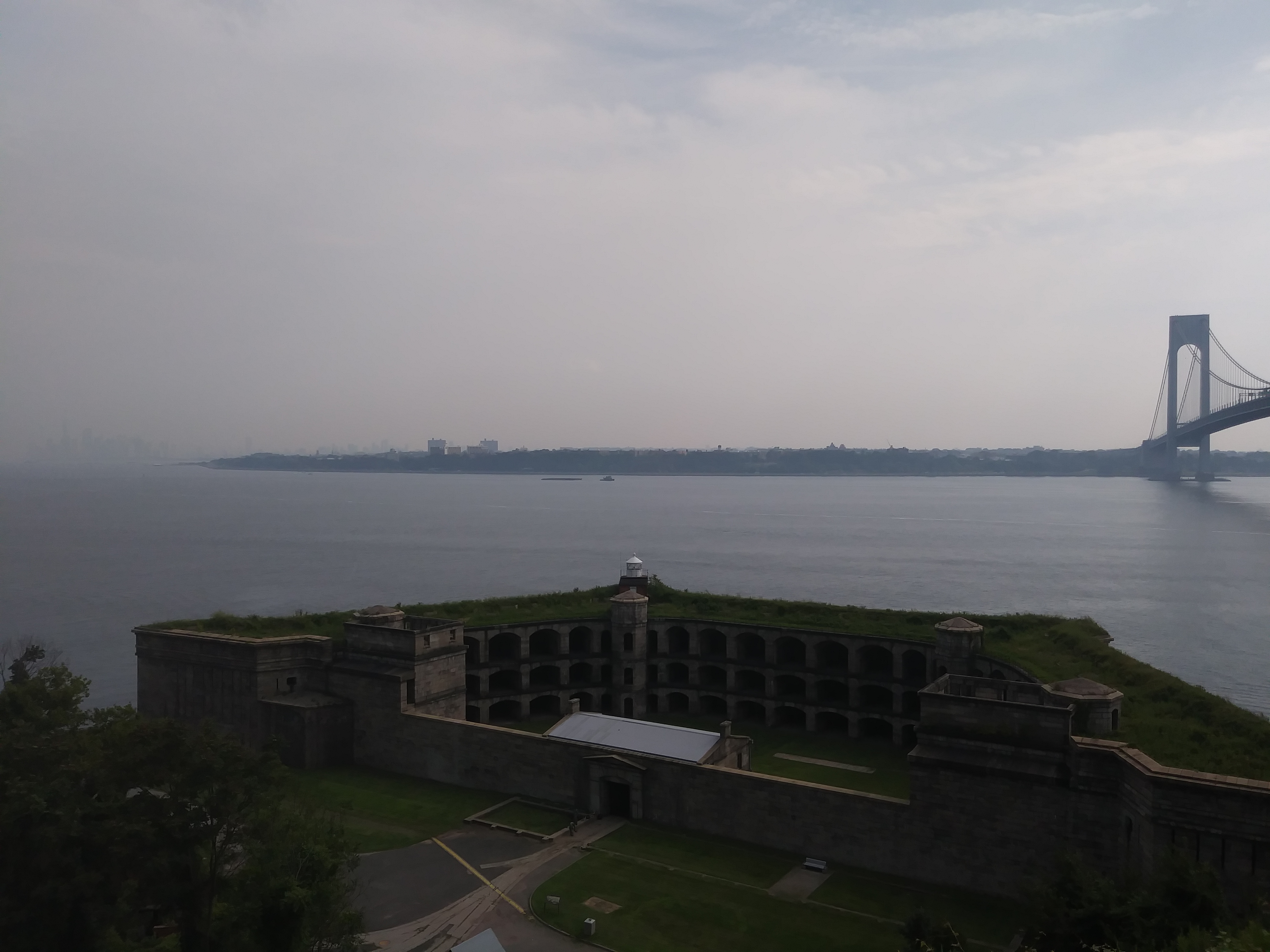
The New York region functions more inefficiently due to its municipal and state boundaries. The Northeastern megalopolis is home to more than 50 million people and 20 percent of America’s GDP, centered around New York. Seventy percent of Manhattan employees commute from outside the borough. The region historically was entirely within New Netherland, but the British split up…
-
Feeding the Sun Corridor: Exploring Arizona’s Zero Sum Game
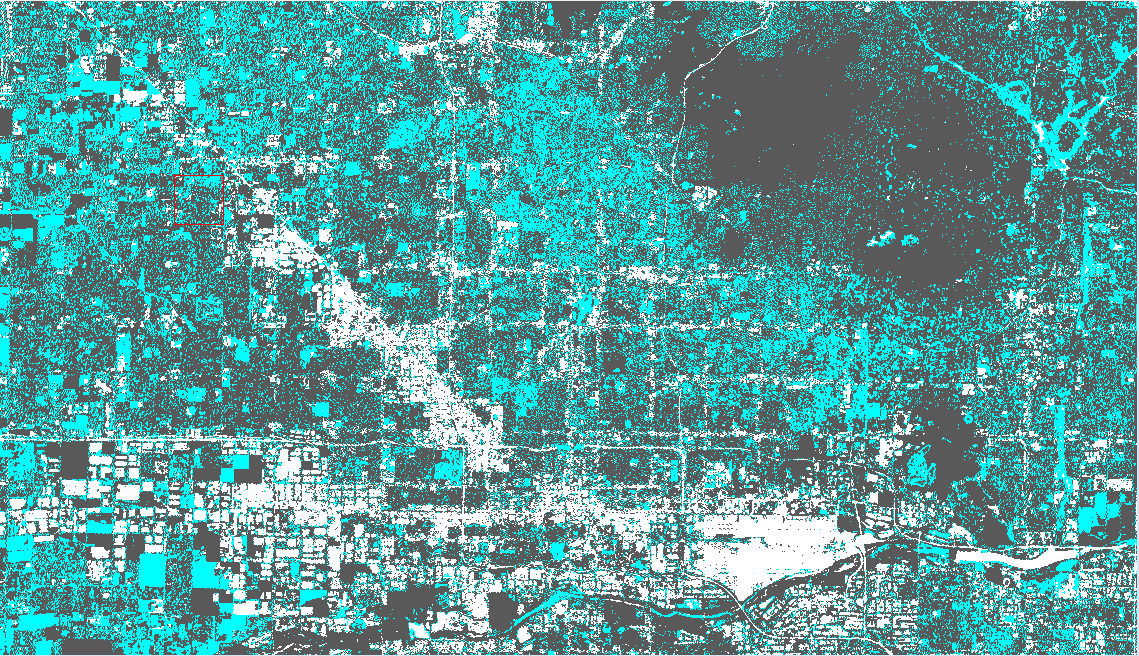
Perceptions of Sustainability Sustainability is the paradigm of our age.i Architects, urban planners, real estate developers, technology companies, college campuses, food distributors, nearly everyone is doing it. Regrettably, conversation surrounding sustainability is commonly directed at one, shallow resolve: proclaiming whether something is or is not sustainable. Use these biodegradable sponges, they’re sustainable! Don’t buy a…
-
On the Map by Simon Garfield (Book Review)
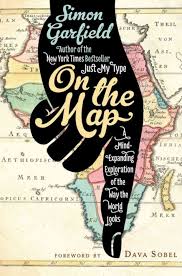
(This book was first reviewed here by Jeffrey Barke in April 15, 2013. This is a second review). To satisfy our curiosity and wanderlust humans need two things, new modes of transportation and maps. Our proclivity to chart and map the world around us can be traced back to Babylonians, who divided a circle into 360 degrees, which…
-

(In)formality (In)justice
As many New Yorkers know, the rent is too damn high. The neighborhoods of New York have always been dynamic and ever-changing, and today, this continues to be true, but perhaps, on a level unforeseen in recent memory. Many are being priced out of our neighborhoods that they’ve lived in, sometimes for generations. So I asked Jimmy…
-

Very Important Maps
I have been a terrible blogger of late. Consider this an apology. And a celebration of maps.
-

Counting the Carbon Foot Prints and Changing Our Behavior!
In a recent discussion with a planner the question of over-consumption came up and how it impacts the health of our planet. It is understood that we consume more raw materials than a sustainable eco-system can provide for. In 2007 our (global) Ecological Foot Print was 1.5 planet earth, i.e. we consumed earth’s resources 1.5 times faster than the earth…