
Tag: Development
-

Urban Legends
NYC has plenty of urban legends, many of which are literally urban legends. Perhaps this article will finally put an end to these largely untrue “myths” about the city’s built environment! NYC is fully “built-up”. The New York metropolitan region is populated by more than 20 million people. Approximately 70% of the world’s countries have…
-
Planning Beyond Boundaries
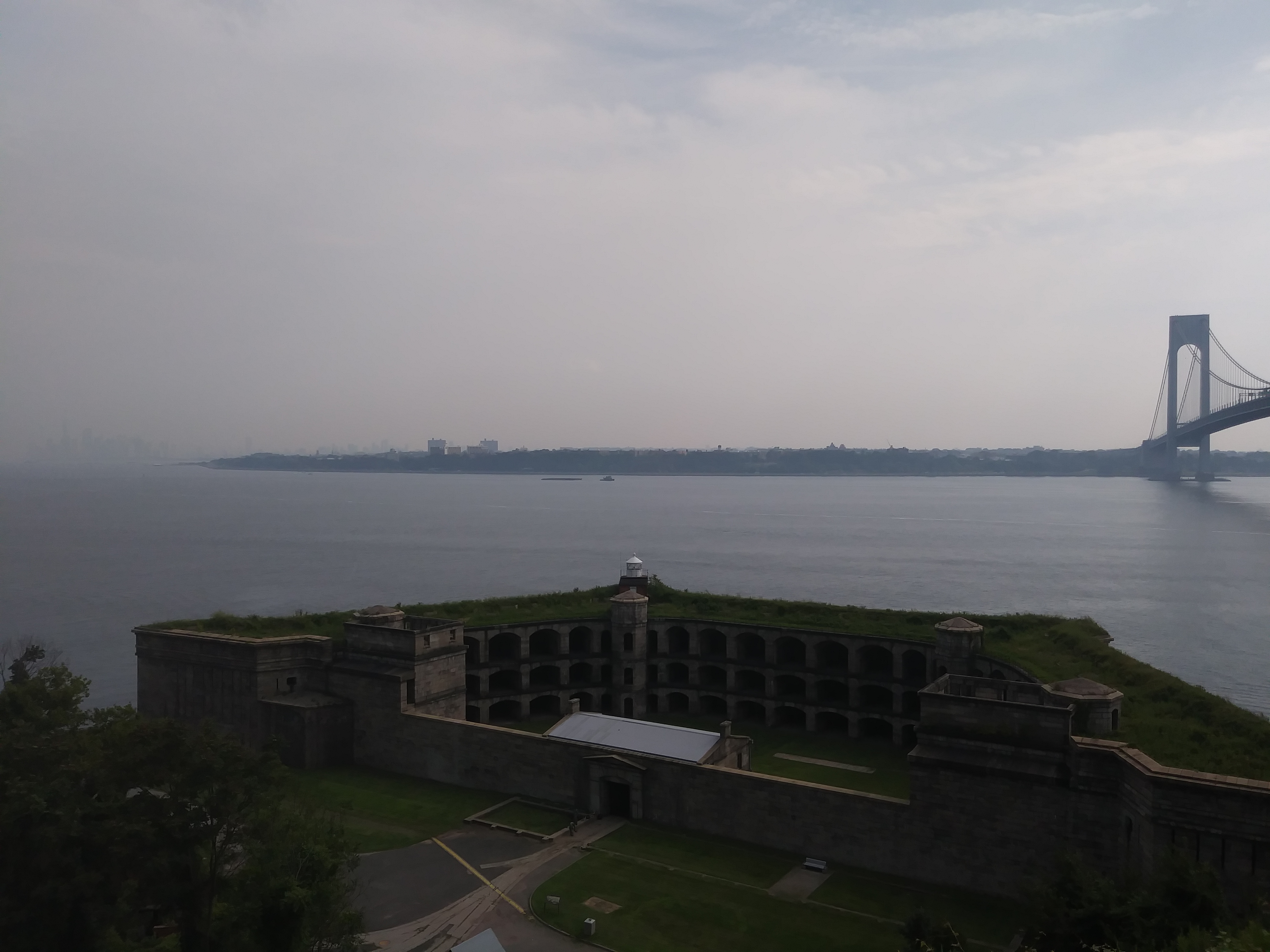
The New York region functions more inefficiently due to its municipal and state boundaries. The Northeastern megalopolis is home to more than 50 million people and 20 percent of America’s GDP, centered around New York. Seventy percent of Manhattan employees commute from outside the borough. The region historically was entirely within New Netherland, but the British split up…
-
Cost
In around the same time it takes me to travel from D.C. to Boston on Amtrak’s Northeast Corridor (NEC), I was whisked from Guangzhou to Luoyang, one of China’s ancient capital cities – roughly the distance from Dallas to Chicago (or double the mileage on the NEC) in a little over 7 hours by rail.…
-

Governance
The region’s fragmented governance can complicate growth, infrastructure investment, and regional coordination. The MTA is a New York State public authority with a governance and financing structure distinct from ordinary state agencies. State law gives it certain powers and exemptions, the scope of which depends on the particular activity involved. The MTA is allowed to…
-

Incentives
For New York City to plan for the 21st century, it should embrace its 19th and early 20th century history. During this time, the city grew rapidly; in the 1930s, the city had almost 7 million people – an increase of almost 6 million people from the 1850s. New York accommodated extraordinary growth during a…
-
Filling the Void
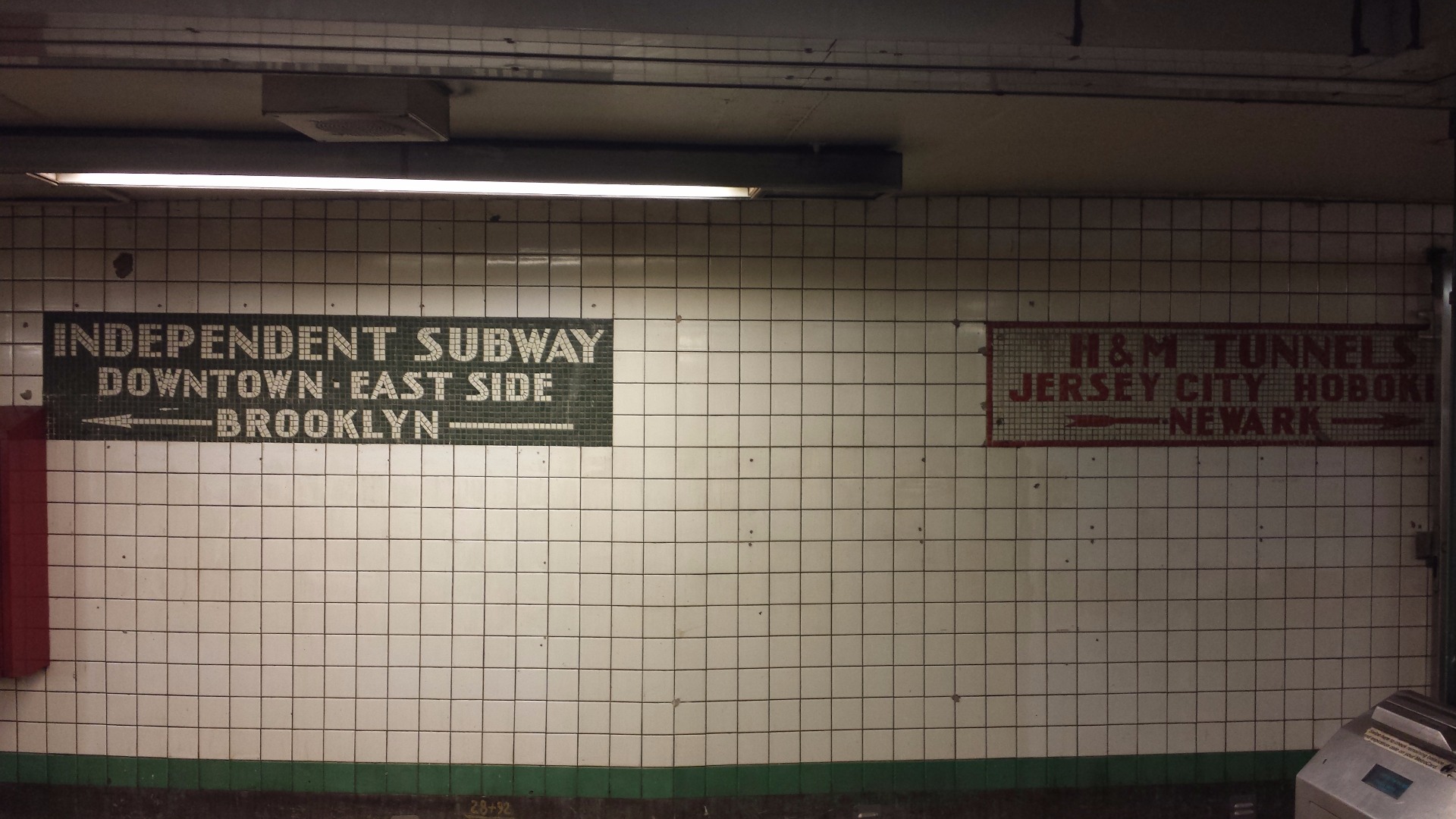
From the Independent Subway to the Freedom Tower, Americans rightly love their independence and freedom. But our affinity for liberty can be bad for urban planning, because it can hinder collaboration, coordination, and compromise. State’s rights and municipal police powers combine to make regional planning particular difficult in the United States. In the New York region, three states (governed…