
Tag: Housing
-

Urban Legends
NYC has plenty of urban legends, many of which are literally urban legends. Perhaps this article will finally put an end to these largely untrue “myths” about the city’s built environment! NYC is fully “built-up”. The New York metropolitan region is populated by more than 20 million people. Approximately 70% of the world’s countries have…
-

Incentives
For New York City to plan for the 21st century, it should embrace its 19th and early 20th century history. During this time, the city grew rapidly; in the 1930s, the city had almost 7 million people – an increase of almost 6 million people from the 1850s. New York accommodated extraordinary growth during a…
-
Connect
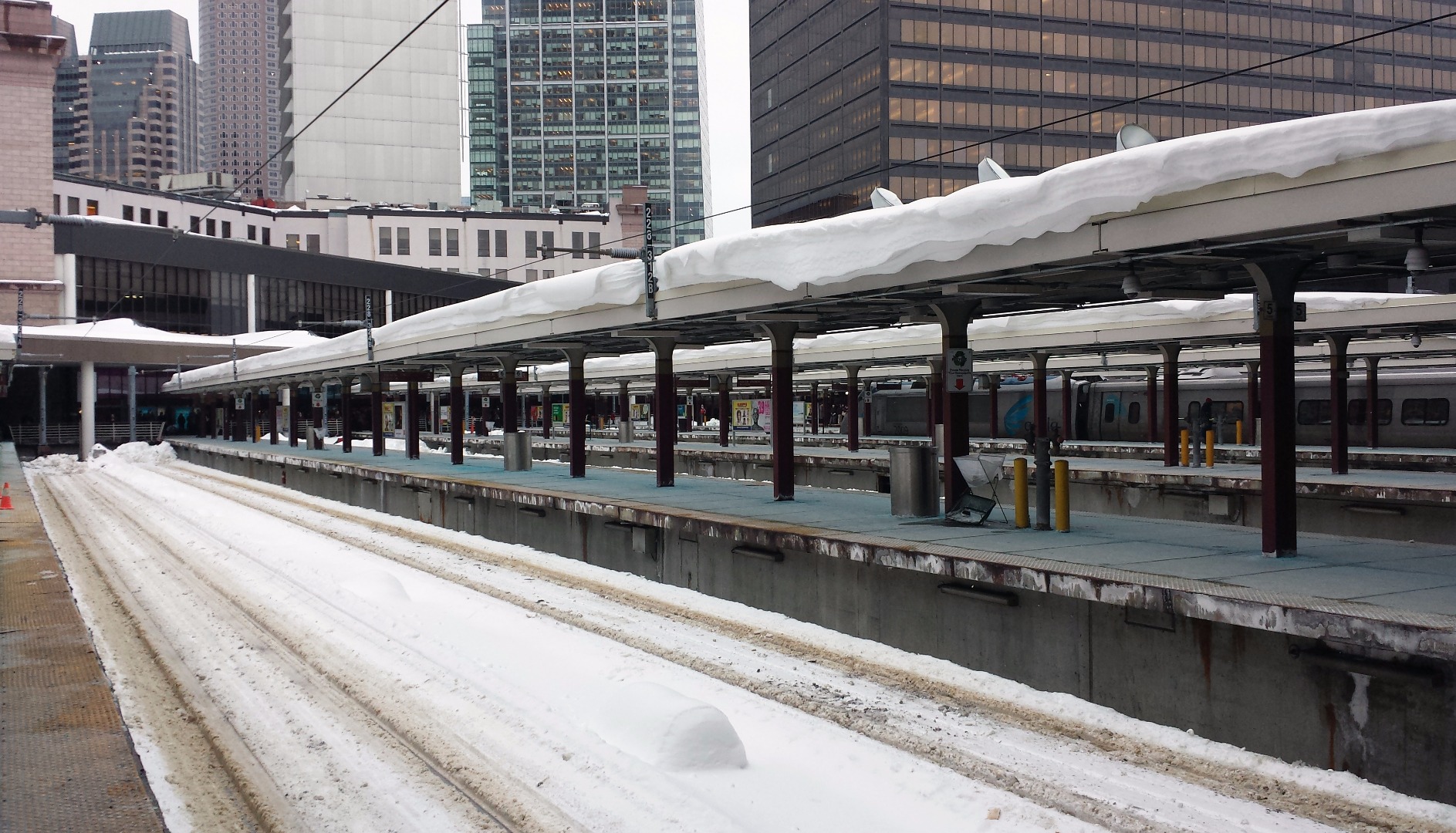
It’s winter again in Boston. Anyone who was there last year during February and March knows what that means. The ability to move about the city could come to a screeching halt in the blink of an eye. . The Massachusetts Bay Transportation Authority (MBTA, or the “T”) completely shut down last winter after repeated large winter storms,…
-
Bridge the Gap
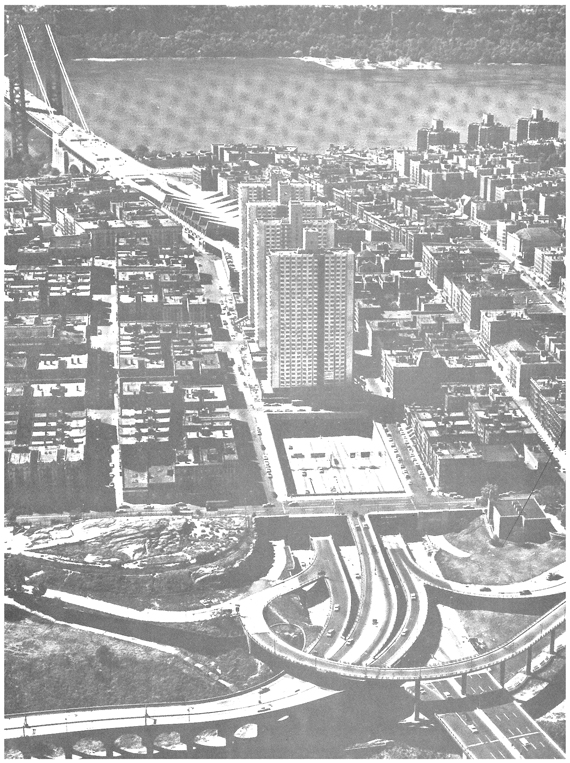
New York City, arguably the world’s premier global city, is the largest in the richest country in the world. The metropolitan region hosts 23+ million people, more than the population of Australia, and New York’s population continues to rise. The MTA network spans 5,000 miles, with more than 2,000 miles of track—enough to stretch from New York…
-

A Riel (Estate) Plan for NYC
Riel, 2015 With more people in the metropolitan area than in the entire continent of Australia, New York continues to harbor diverse and creative opportunities due to its inherent dynamism and density, catalyzed by the MTA. But climate change is already threatening the resiliency of the region’s infrastructure, while our region’s political climate and security…
-
Transit in the Desert: What Drives Ridership in Sprawling Phoenix?
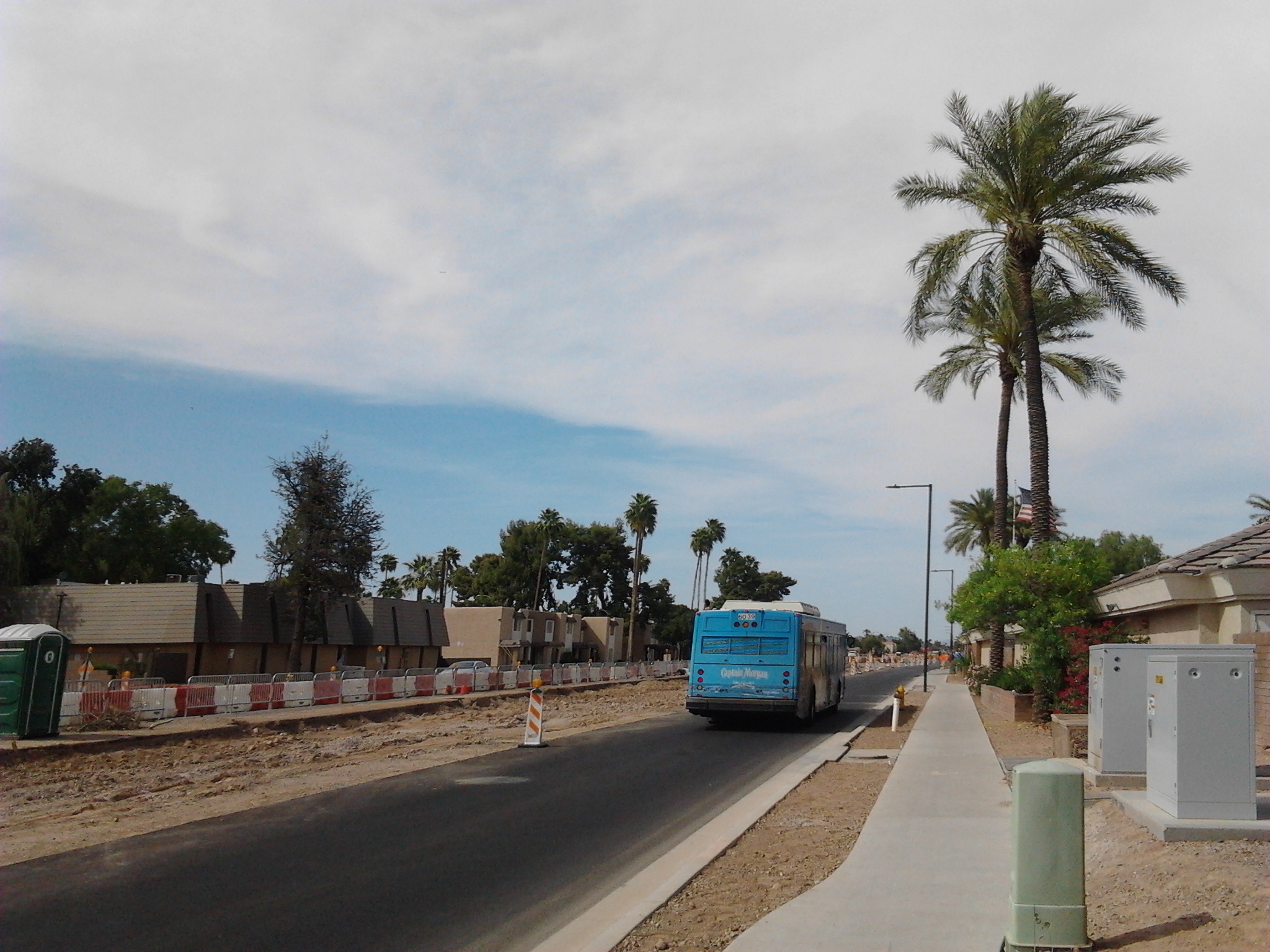
Neither on-the-ground observation nor a basic data-driven analysis of high-transit use neighborhoods conclusively identify the factors driving transit use in Phoenix. Sprawl is so dominant as a residential pattern, however, that planners must focus not only on building transit-friendly neighborhoods but also on providing alternative transportation options in the decidedly transit-“unfriendly” subdivisions that make up Arizona’s…