
Tag: joint development
-
Connect
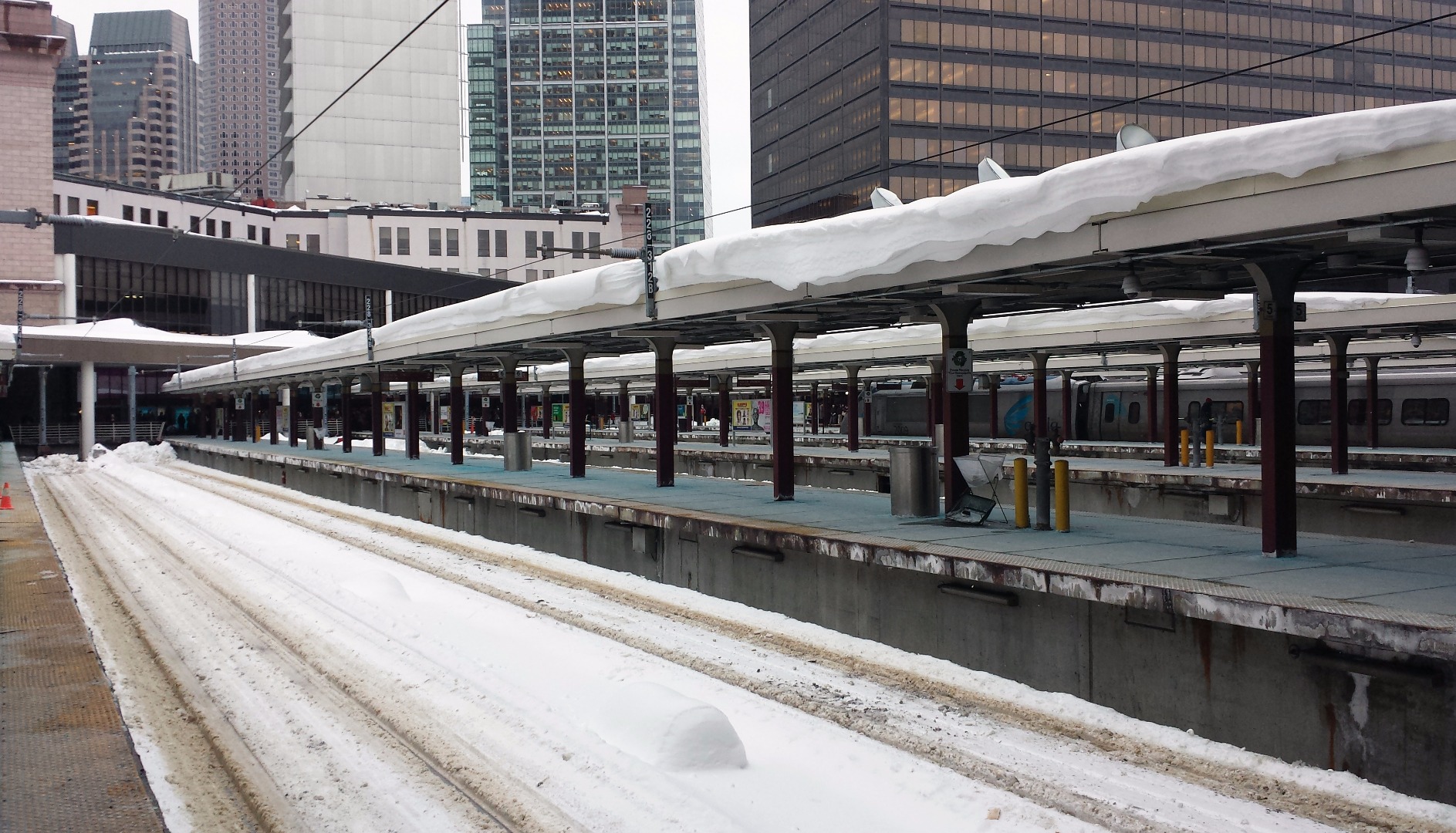
It’s winter again in Boston. Anyone who was there last year during February and March knows what that means. The ability to move about the city could come to a screeching halt in the blink of an eye. . The Massachusetts Bay Transportation Authority (MBTA, or the “T”) completely shut down last winter after repeated large winter storms,…
-
Bridge the Gap
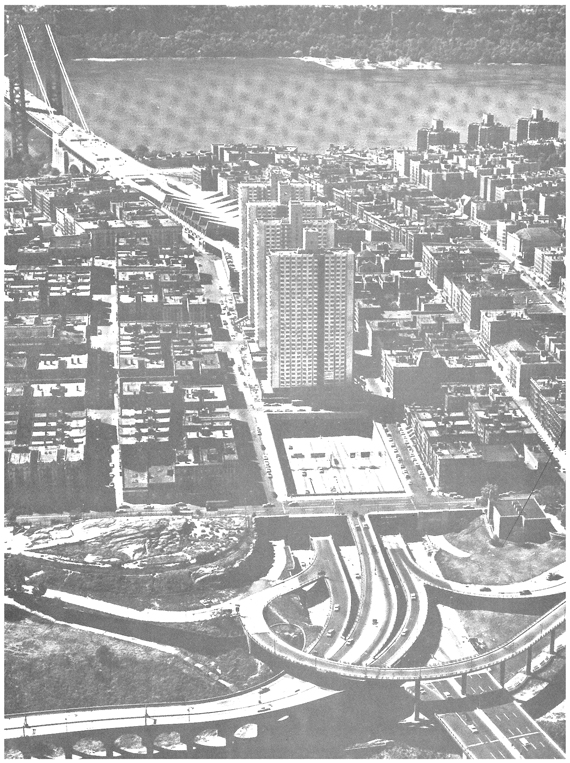
New York City, arguably the world’s premier global city, is the largest in the richest country in the world. The metropolitan region hosts 23+ million people, more than the population of Australia, and New York’s population continues to rise. The MTA network spans 5,000 miles, with more than 2,000 miles of track—enough to stretch from New York…
-

Thinking Beyond Buildings
Public transportation authorities often do not control zoning and land use laws, and they also operate amidst a sea of privately-owned land. In fact, America’s land use laws are arguably reflected by its LEED incentives. The LEED Neighborhood Development Rating System rightly incentivizes LEED construction in transit-oriented communities by prioritizing an access to quality transit, with…
-

Reforming the MTA
Please feel free to view my Capstone: Bridging the Transportation Finance Gap: Planning Beyond Boundaries for a Connected 21st Century Please also feel free to view my Senior Honors Thesis: (Re)New Your City, New York City: Transporting Transformation Hubs New York’s Metropolitan Transportation Authority (MTA) is constantly running trains, but it is also constantly running…
-

TOD: Transit-Owned Development
Summary: New York’s Metropolitan Transportation Authority (MTA) is constantly running trains, but it is also constantly running a deficit. Unlike profitable transportation companies, such as the Hong Kong Mass Transit Railway (MTR), the MTA has few valuable real estate assets which could be adequately transformed into transit-oriented and transit-owned joint development hubs. Similar to other…
-

Progressive Public-Private Partnership Profits
New York City does not lack visionaries or visionary plans with hindsight, foresight, and insight, but these visionaries lack power. Instead, “borderline criminals” continue to dim our future. America has spent trillions rebuilding Iraq and Afghanistan, but when it comes to maintaining the infrastructure of a region with a $1.4 trillion GDP, money can’t seem to be…